
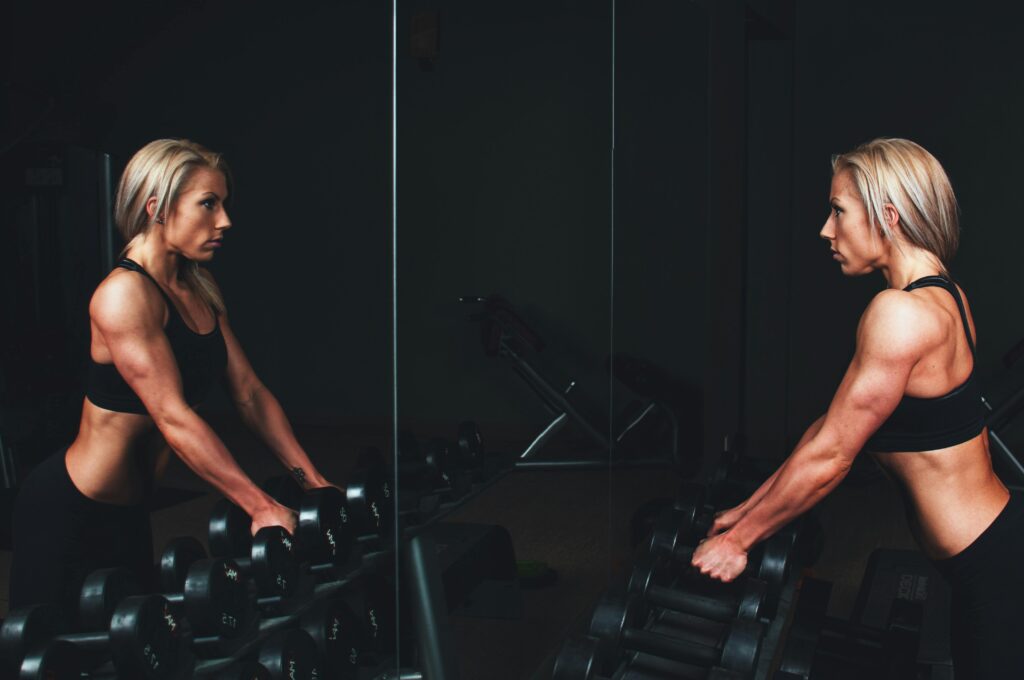
For decades, fitness culture treated strength training as if it belonged only to men. Today, that mindset is rapidly disappearing — and women are leading a powerful shift toward strength, confidence, and lifelong wellness. From lifting weights to mastering endurance training, women are proving that strength is not just physical, but deeply connected to empowerment, independence, and overall health.
In this article, we explore why women thrive in strength-based fitness, the unique physiological advantages they bring, and how wellness ties into the bigger picture.
🌟 Women Are Stronger Than People Think — Scientifically
While men typically have more overall muscle mass, research shows that women possess unique strengths that make them incredibly resilient and well-suited for fitness performance.
🔹 1. Women have exceptional muscular endurance
Studies published by the National Institutes of Health (NIH) show that women often outperform men in muscle endurance, meaning they can sustain repeated contractions longer before fatiguing. This gives women an edge in:
- high-rep strength training
- steady-state cardio
- long-distance running
- repetitive athletic movements
🔹 2. Women recover faster
According to research highlighted by Harvard Health, women tend to recover from workouts more efficiently due to differences in muscle fiber composition and estrogen’s protective effects on muscle tissue.
This means women:
- experience less muscle damage post-workout
- bounce back quicker
- can train consistently with fewer setbacks
🔹 3. Women benefit greatly from strength training
The American College of Sports Medicine (ACSM) recommends strength training at least twice weekly for all adults, but women in particular see powerful effects, including:
- higher metabolism
- improved bone density (critical for preventing osteoporosis)
- stronger joints
- reduced risk of injury
- improved hormone balance
Strength training doesn’t make women bulky — it makes them healthier, stronger, and more capable in every aspect of life.
🌿 Wellness: The Foundation of Women’s Fitness
Women’s strength is not limited to physical performance. Wellness — emotional, mental, and metabolic — plays an equally important role.
🔹 1. Stress resilience & emotional balance
The World Health Organization (WHO) notes that regular exercise can reduce symptoms of anxiety and depression. Women, who often juggle multiple roles, benefit tremendously from the mood-boosting and stress-lowering effects of movement.
🔹 2. Hormonal health
Strength training and balanced nutrition help regulate key hormones like:
- estrogen
- progesterone
- cortisol
- insulin
This supports energy, mood, menstrual regularity, fertility, and long-term metabolic health.
🔹 3. Longevity & disease prevention
According to the CDC, women who engage in regular physical activity have a significantly reduced risk of:
- heart disease
- type 2 diabetes
- high blood pressure
- obesity
Staying strong is not just about looking good — it’s about living longer and living better.
🏋️♀️ Why Strength Training Empowers Women Beyond the Gym
Strength training does more than transform the body — it transforms mindset and lifestyle.
⭐ Confidence grows with every weight lifted.
Women often report feeling more confident, capable, and empowered as they get stronger.
⭐ Strength translates into daily life.
Carrying groceries, chasing kids, climbing stairs… everything becomes easier.
⭐ Fitness becomes a form of self-respect.
Working out teaches women to prioritize their health, boundaries, and time.
⭐ Community support builds motivation.
From gym partners to online fitness groups, women’s wellness communities are powerful spaces of encouragement and growth.
🧠 Common Myths About Women & Strength Training — Debunked
❌ Myth 1: “Lifting makes women bulky.”
Women naturally have lower testosterone than men. Gaining large amounts of muscle requires extreme training and diet strategies — not casual strength training.
❌ Myth 2: “Women should only do cardio.”
This outdated belief ignores the benefits of weight training for metabolism, aging, and long-term health.
❌ Myth 3: “Strength training is dangerous for women.”
According to ACSM, strength training is one of the safest and most effective forms of exercise when performed properly.
📝 How Women Can Build Strength Safely & Effectively
Here’s a simple, science-backed routine to help women improve strength and wellness:
Beginner Strength Routine (2–3x per week)
Perform 3 sets of 10–12 reps each:
- Squats
- Dumbbell or bodyweight lunges
- Glute bridges or hip thrusts
- Push-ups (wall, knee, or full)
- Dumbbell rows
- Planks (20–40 seconds)
Add 20–30 minutes of light-to-moderate cardio
Walking, cycling, incline treadmill, or jump rope.
Stretch 5–10 minutes after each workout to improve flexibility and recovery.
💬 Final Thoughts: Women’s Strength Is Powerful, Real, and Rising
Women are rewriting the rules of fitness and wellness. They are proving that strength isn’t defined by size, but by discipline, resilience, and the willingness to push forward. Whether it’s weightlifting, running, yoga, or everyday movement, women’s fitness is a celebration of capability, confidence, and long-term health.
The science is clear:
Women are strong — stronger than the world has given them credit for for far too long.
And this new era of fitness is finally reflecting that.
📚 Credible References Used
(You can list these at the bottom of your blog post for authority)
- World Health Organization (WHO) — Physical Activity Recommendations
- Centers for Disease Control and Prevention (CDC) — Benefits of Physical Activity
- Harvard Health Publishing — Women’s Muscle Recovery & Exercise Benefits
- American College of Sports Medicine (ACSM) — Strength Training Guidelines
- National Institutes of Health (NIH) — Research on Women’s Muscle Endurance & Physiology
